Copyright © 2026 The House of Curiousity
We respect your privacy. No spam, ever. Unsubscribe anytime.
Our morning routines were reading 315 KB before breakfast, and more than half of it was work already finished. What we measured, the eight rules we run on now, and how to set how often a routine runs.
The word "code" scares people off. At our Claude Code 101 on September 19, Inspired Spitfire showed why it shouldn't.
Nagawa Lule and Beth Zukowsky spent our September 9 session on one question: how do you know a plan will hold before you put more into it?
People's private details stay out of every AI tool. Client material stays out unless both the contract and the tool's terms allow it. Everything else is a settings question, and the settings take five minutes.
When an AI agent breaks out of its sandbox, look first for the person who built the sandbox, wrote the instruction and decided nobody needed to check the commands. That is where the fix usually is.
Rachel Gaia logged on to The Main Event at 2:00 AM Melbourne time to talk about nature and AI image work. Then the ground moved, and she kept going.
An image agent finishes your brief faster than you can, and it finishes every gap in that brief at the same speed. Here is what a live side-by-side with Israel Ayliffe showed on October 8.
One ninety-minute live session, taken apart properly, gives us twenty-one to twenty-six pieces. Here is the list, the four rules that make it hold up, and where the recordings go.
In August we cut about sixty percent of the instructions we give our AI tools, and the drafts came back sharper. Here are the three things that came out, and a test you can run this week.
A harness is an environment that builds, tests, and maintains its own reusable skills. The definition, the one rule that holds it together, and a single question that finds yours.
A listing gets read once, fast, by someone deciding whether it is for them. Here is the order we write every one of ours in, and a three-tab test you can run on your own pages today.
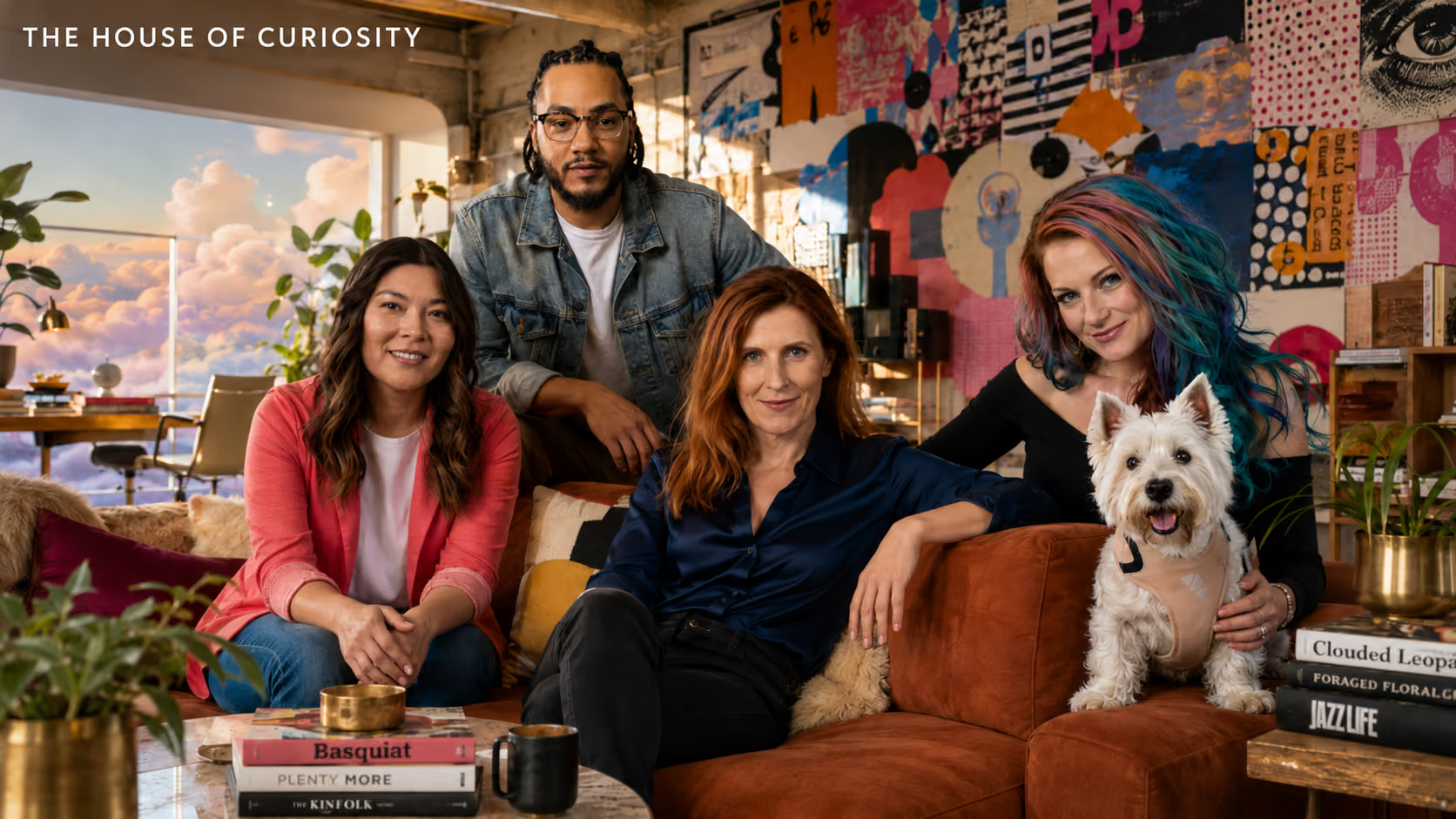
There is a new name on the door and a few things worth saying plainly. Here are the four people running The House of Curiosity right now.
GPT Image 2 thinks before it draws. Israel called that months before the press release did, then spent ninety minutes proving the wording was never the hard part.
Sabina's first notebook was bad and she says so out loud, to a room of forty people. Two live sessions, one recursive trick worth stealing, and the question nobody else is asking.
In 1878 a row of cameras settled an argument about a running horse and proved every painter of the previous century wrong. Teresa teaches that to people making AI images. Here is why.
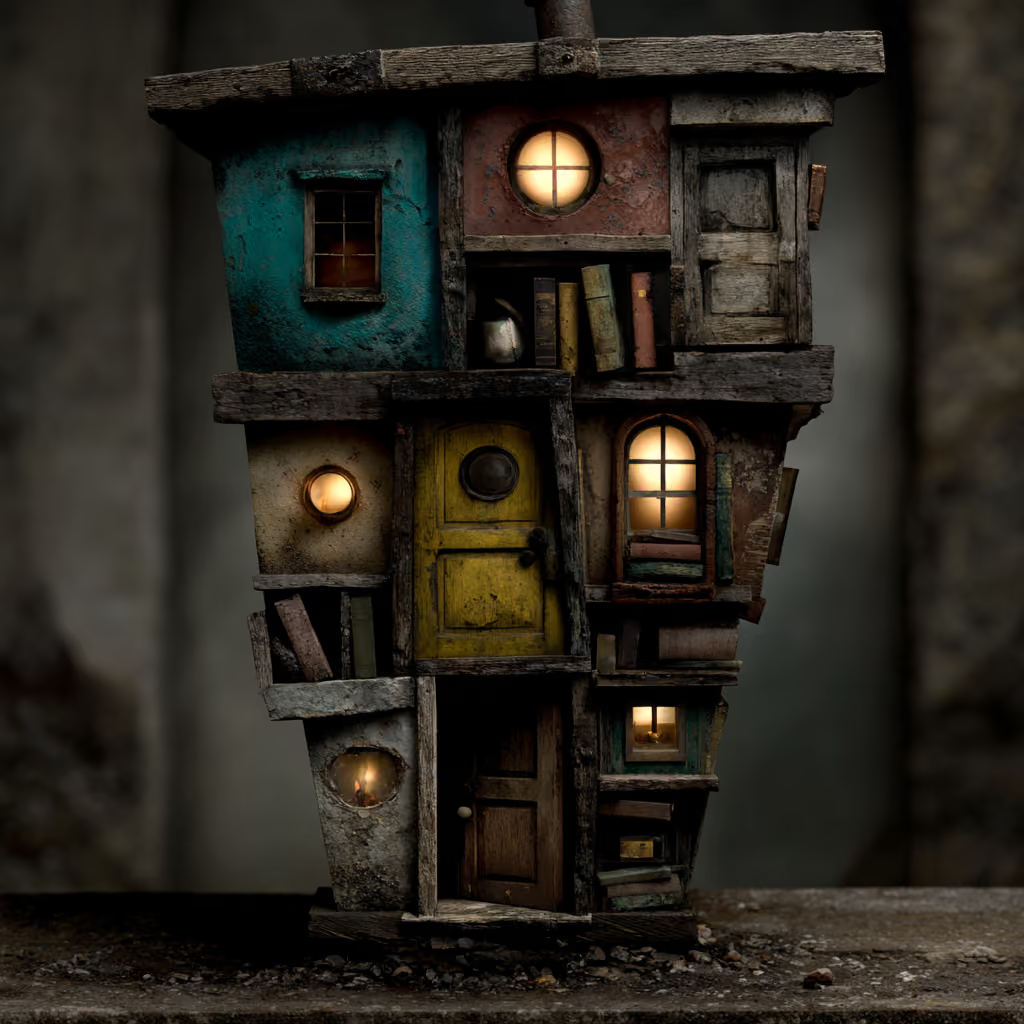
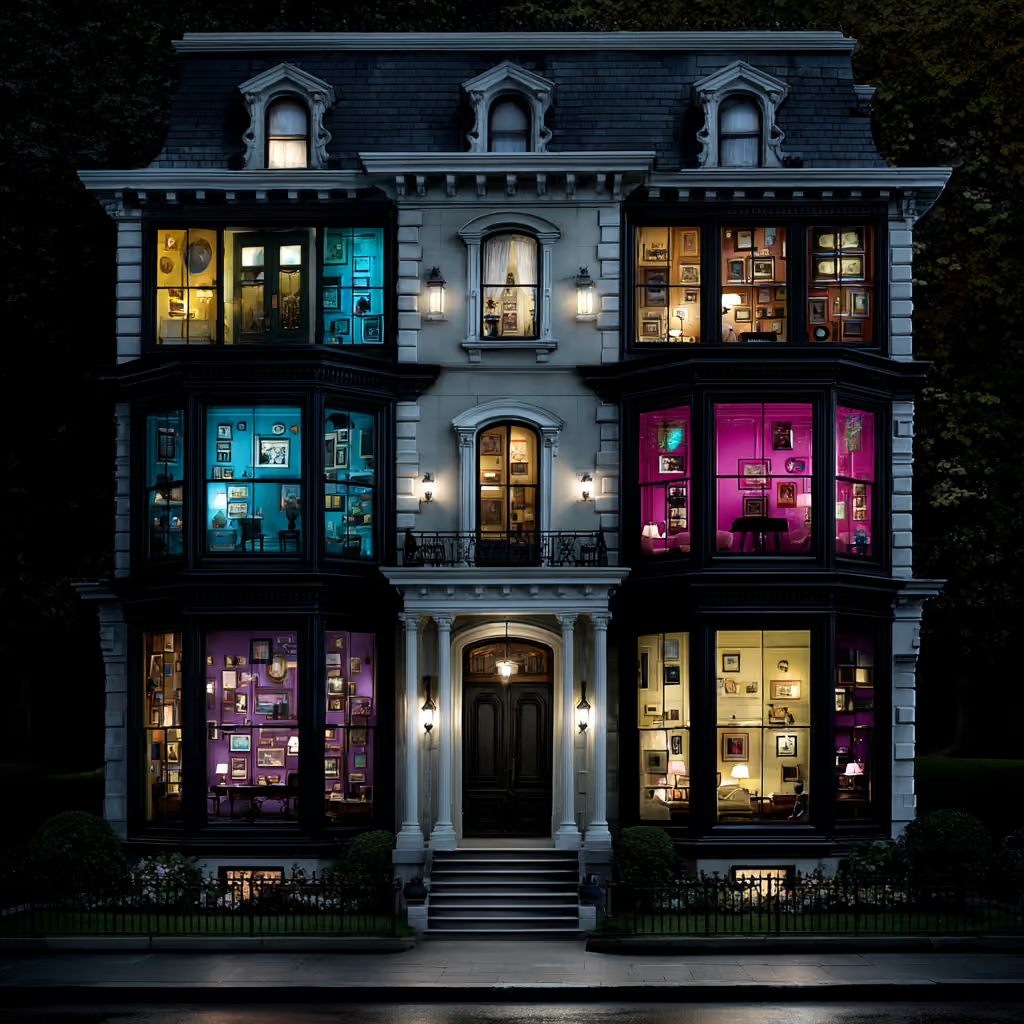
A house does not become a home instantly. First you feel it. Then you frame it. Then the rooms appear. Then the porch light comes on. This is the story of how the House became a place people could recognize as their own.
Play is not fluff, nostalgia, or a childish leftover. It is one of the oldest ways human beings learn, regulate, experiment, and make meaning. This is why the House still makes room for play.
Curiosity is not just a personality trait or a creative vibe. There is real science underneath the House, and the reason learning feels different when a question gets under your skin.
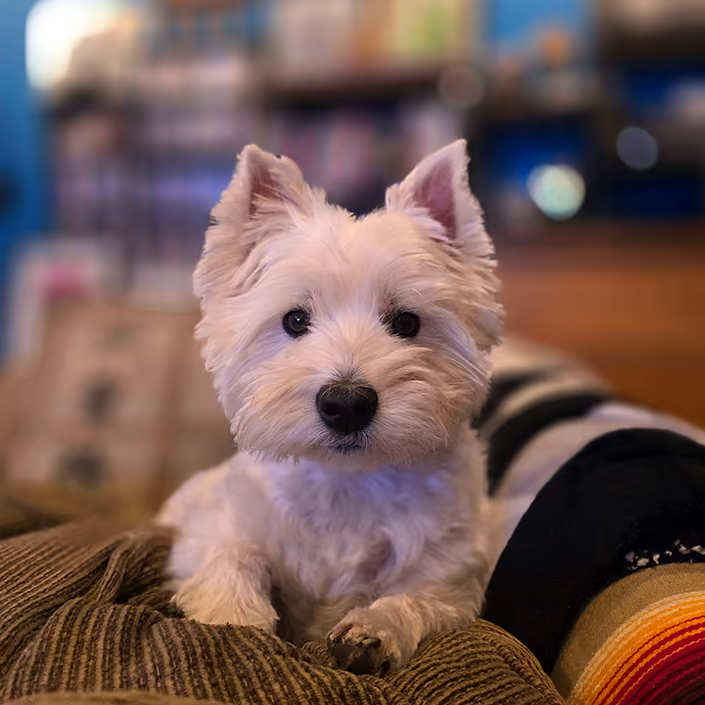
How a Westie became the icon of The House of Curiosity, and why Maverick was always meant to represent more than a logo.
Three co-founders. Three instincts. One shared fire. Welcome to The House of Curiosity, a place built from structure, edge, and steady power, where curiosity is more than a feeling.
A space to explore, ask better questions, and create something real. We’re glad you’re here.